
Categories
Latest Post

In the past, our water naturally contained minerals like calcium, magnesium, and potassium, thanks to...
No posts found
Fatigue and low mood can be signs of low vitamin D levels. For most people, sunlight is the primary source of vitamin D. Reduced sun exposure increases the risk of vitamin D deficiency – especially in the fall and winter months. Unless you eat a lot of fatty fish, chances are you’re not getting enough vitamin D during this time.
Fatigue and low mood may simply be signs of low vitamin D levels. For most people, sunlight is the primary source of vitamin D. Reduced sun exposure can significantly increase the risk of deficiency. In the fall and winter – unless you regularly eat fatty fish – you’re likely not getting enough vitamin D.
When you take all of these factors into account, it’s easy to see how vitamin D deficiency becomes widespread during autumn and winter – and why low mood and low energy are such common struggles.
Researchers have found that vitamin D is so essential for healthy brain function that insufficient levels may even contribute to depression. This is why a high-quality vitamin D supplement can help you maintain a stable mood – even during the darker months of the year.
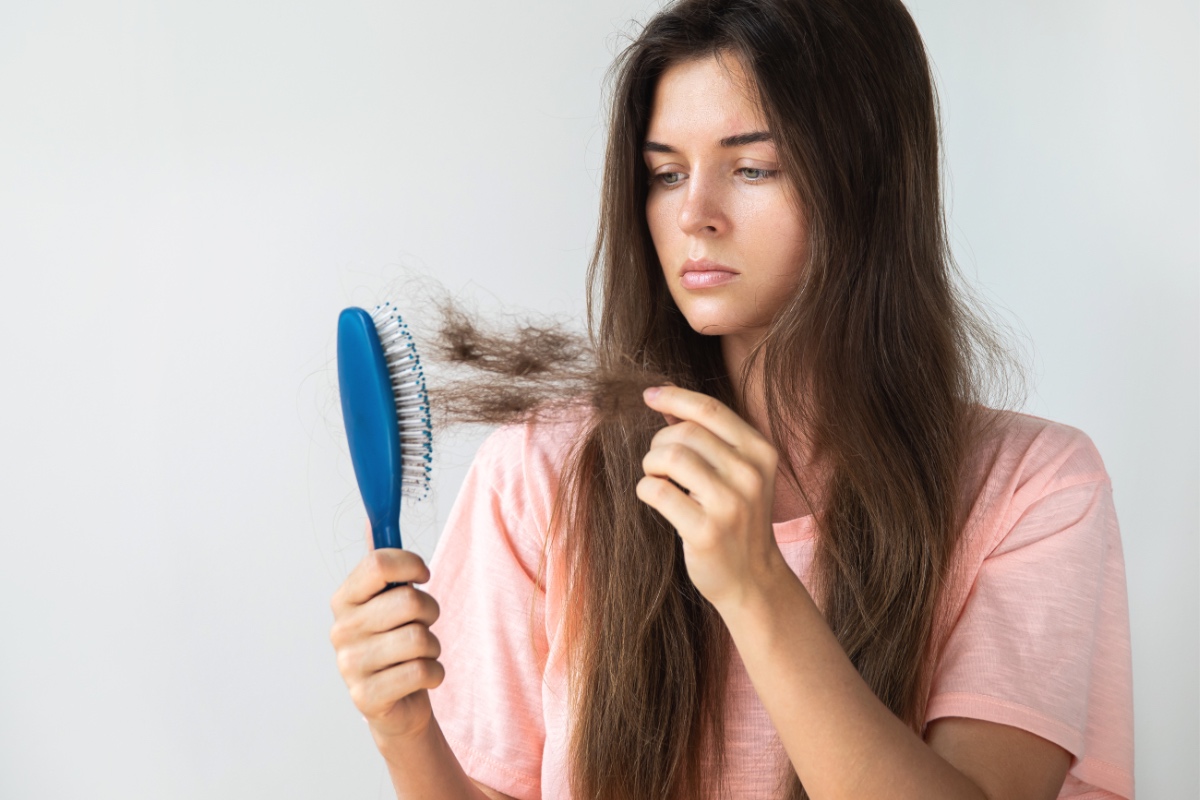
Noticing hair loss can make you feel helpless – worried that it won’t stop. The idea of having visibly thinner hair, and how others might react, can be stressful. And to make matters worse, stress itself can deplete the very vitamins and minerals that support hair growth, potentially leading to even more hair loss.
During this time of year, reduced sunlight exposure typically results in lower vitamin D levels. That matters, because vitamin D is technically a hormone that helps stimulate the growth of new hair follicles. It’s no surprise, then, that low vitamin D has been linked to increased risk of hair loss in women. In fact, alopecia (significant hair loss) has also been associated with vitamin D deficiency.
The solution: Maintain healthy vitamin D levels to support strong, active hair follicles.
Don’t forget about magnesium, either – your body needs it in order to properly utilize stored vitamin D. Vitamins B and C, as well as zinc, also play important roles in supporting healthy hair growth.
Vitamin D strengthens the immune system – the body’s defense against bacteria and viruses. Several major studies have linked vitamin D deficiency to respiratory infections such as the common cold, bronchitis, and pneumonia. Additional research shows that supplementing with vitamin D can reduce the risk of these respiratory infections.
And if you tend to catch colds or the flu easily, it could be a sign that your body isn’t absorbing enough vitamin D3 – or isn’t able to properly metabolize the vitamin D you’re giving it.
That’s right – even if you’re taking a vitamin D supplement, it may not be helping unless your body can actually use it!
Without magnesium, even the best vitamin D supplement may not be effective. Together, these two nutrients form a powerful defense system to support strong, lasting immunity.
Aloha
Dr. Carolyn Dean
Warning!
This website is for informational purposes only and is not intended as a substitute for professional medical advice.
Disclaimer!
We do not treat, diagnose, cure, or attempt to prevent any diseases, and no advice or customer testimonials shared in reviews should be interpreted as evidence of specific health outcomes from using our products. Results may vary. Nothing stated on this website is intended to replace medical advice, prevention, or treatment.