

REDUCING RISK + SUPPORTING FUNCTION
Nutrients For Heart Health
This collection of nutrients is focused on Heart Health and the Structure + Function aspects of nutrients in relation to optimal heart function.









Maintain Healthy Blood Pressure
Create a targeted regimen of key vitamins and minerals that work together synergistically to support vital functions – helping to regulate blood pressure, balance essential mineral levels, and maintain the flexibility and health of blood vessels.
Protecting Blood Vessels
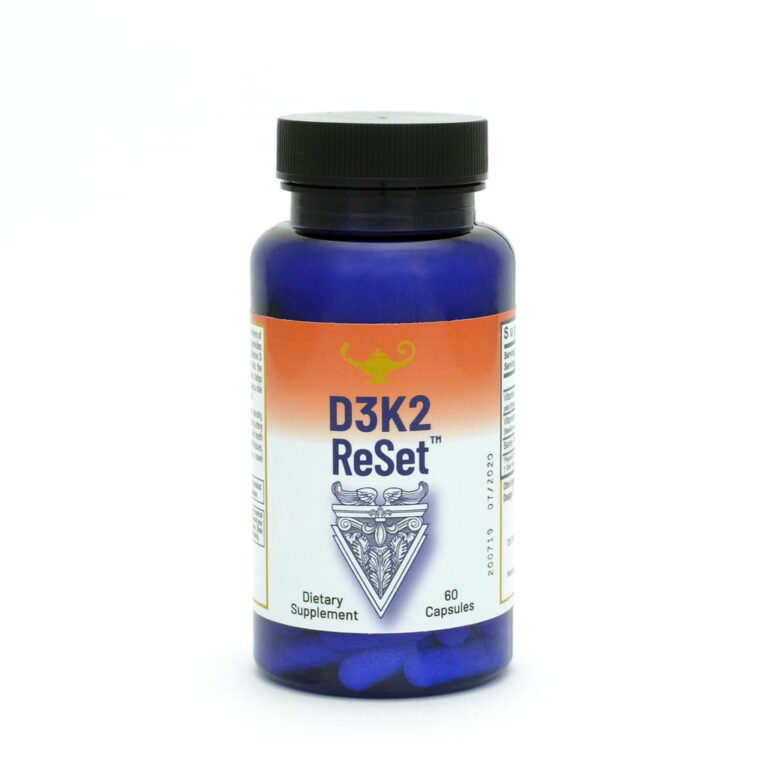
Magnesium naturally supports the relaxation of blood vessels, contributing to healthy blood pressure levels. Adequate Vitamin D intake can further reduce the risk of hypertension by influencing renin production, a key factor in blood pressure regulation. Working together, magnesium and vitamin D help maintain proper calcium balance, ensuring that blood vessels can constrict and relax as needed while minimizing unwanted calcification throughout the body.
Balancing Sodium Levels
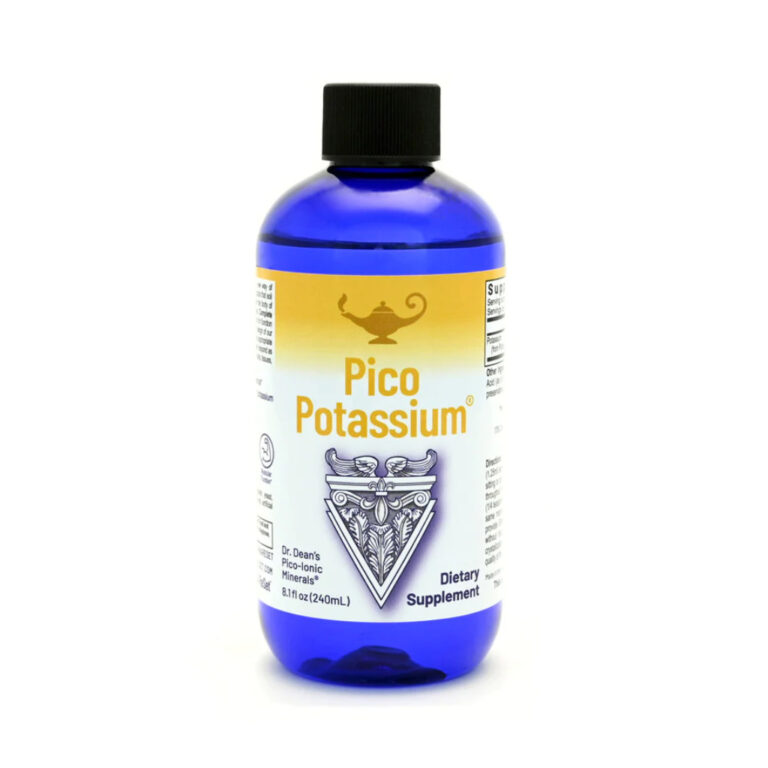
Excess sodium in the diet can lead to water retention, increased blood volume, and elevated blood pressure. Potassium plays a critical role in counteracting these effects by encouraging sodium excretion through the kidneys and relaxing blood vessel walls. This relaxation helps lower vascular resistance, promoting healthier blood pressure levels.
Minerals & Heart Function
Magnesium plays a crucial role in helping the heart maintain a steady rhythm by supporting the transmission of electrical signals that control each heartbeat, reducing the risk of irregular heartbeats, or arrhythmias. Potassium is equally important for proper electrical signaling within the heart, ensuring the regulation of its rhythm. Additionally, the delicate balance between magnesium and calcium is essential for the heart’s ability to contract and relax efficiently.
Additional Nutrients for Heart Rhythm Support
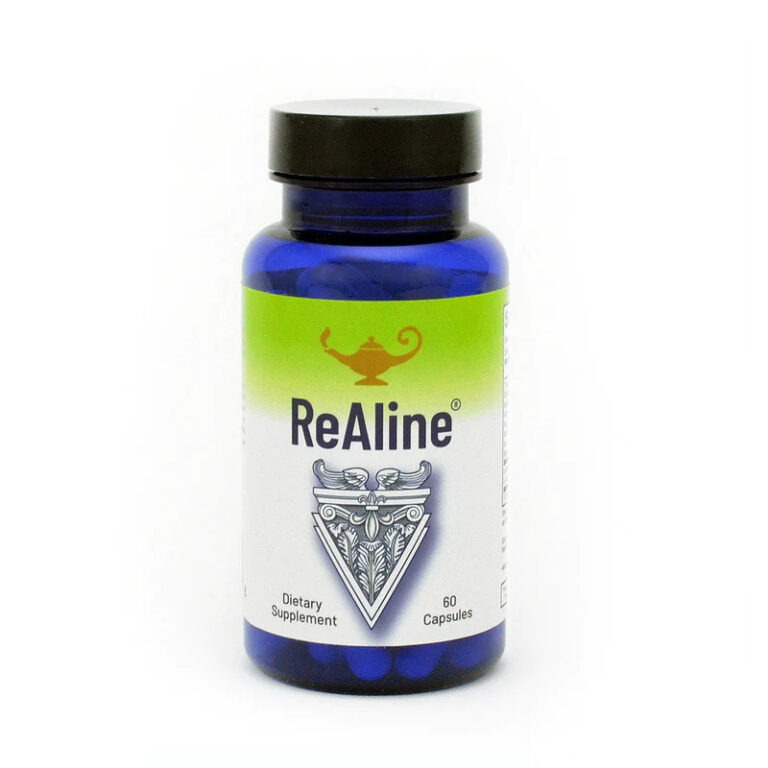
Taurine contributes to heart rhythm stability by regulating the balance of calcium, magnesium, and potassium within heart cells. B-vitamins help manage elevated homocysteine levels – an amino acid linked to an increased risk of heart rhythm disorders. Omega-3 fatty acids have also shown promise in reducing the risk of arrhythmias while supporting the overall health of the heart muscle and promoting a steady, regular heartbeat.
Support a Healthy Heart Rhythm
The heart’s rhythmic beating is essential for sustaining life – and this vital function relies on a harmonious balance of vitamins, minerals, and nutrients working together to maintain consistency and stability.
Minimize Damage & Disease
Maintaining optimal levels of heart-healthy nutrients helps create a protective shield around the heart, providing a holistic defense against damage and disease. Combining specific nutrients to reduce inflammation and manage cholesterol levels naturally addresses two key factors that contribute to cardiovascular problems.
Reducing Inflammation
Omega-3 fatty acids help lower inflammation and thin the blood, supporting healthier blood pressure levels. They have also been shown to reduce triglycerides and play an important role in minimizing the risk of arrhythmias. Vitamin D, with its anti-inflammatory properties, may further reduce the risk of heart disease, including atherosclerosis – the buildup of plaques within the arteries.
Managing Cholesterol Levels
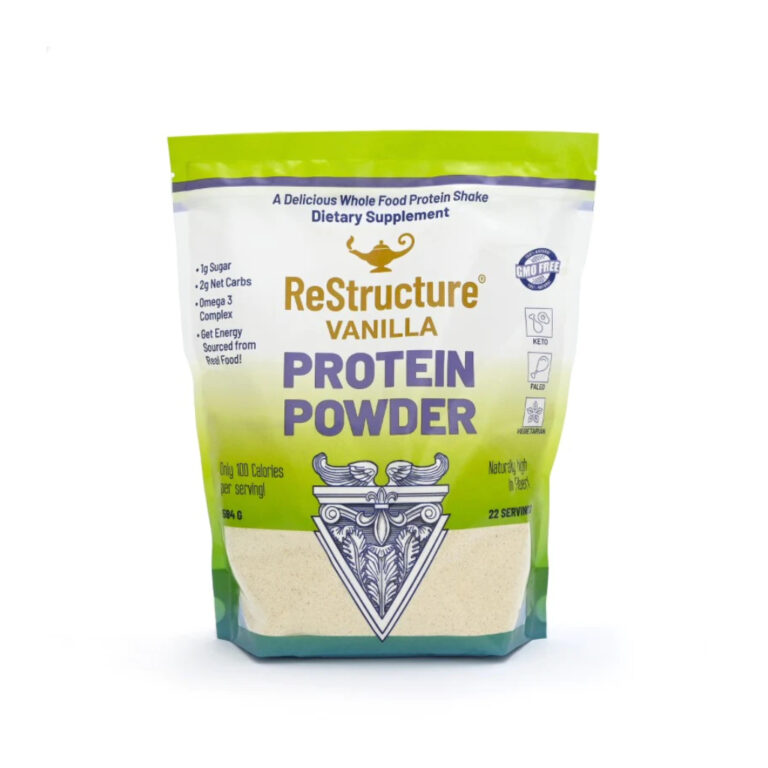
Dietary fiber supports digestion while helping to reduce cholesterol absorption into the bloodstream. Vitamin D has been linked to a decreased risk of heart disease, while antioxidants like vitamin C help protect blood vessels and lower the risk of coronary artery disease. Omega-3s also contribute by lowering LDL (“bad”) cholesterol and raising HDL (“good”) cholesterol, promoting a healthier lipid profile and overall cardiovascular wellness.