

PROMOTING POWERFUL THOUGHTS
Nutrients For Brain Health
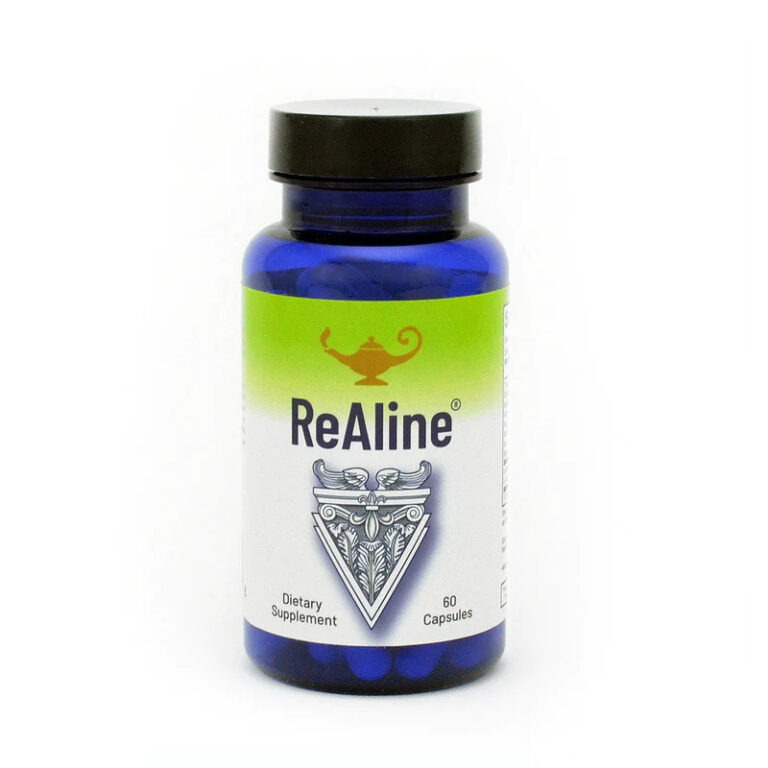
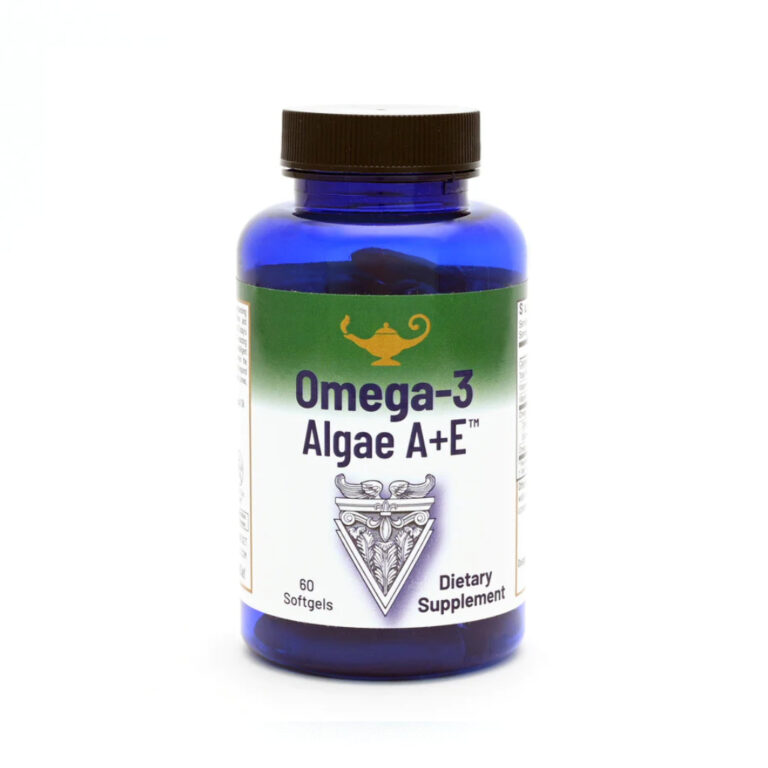
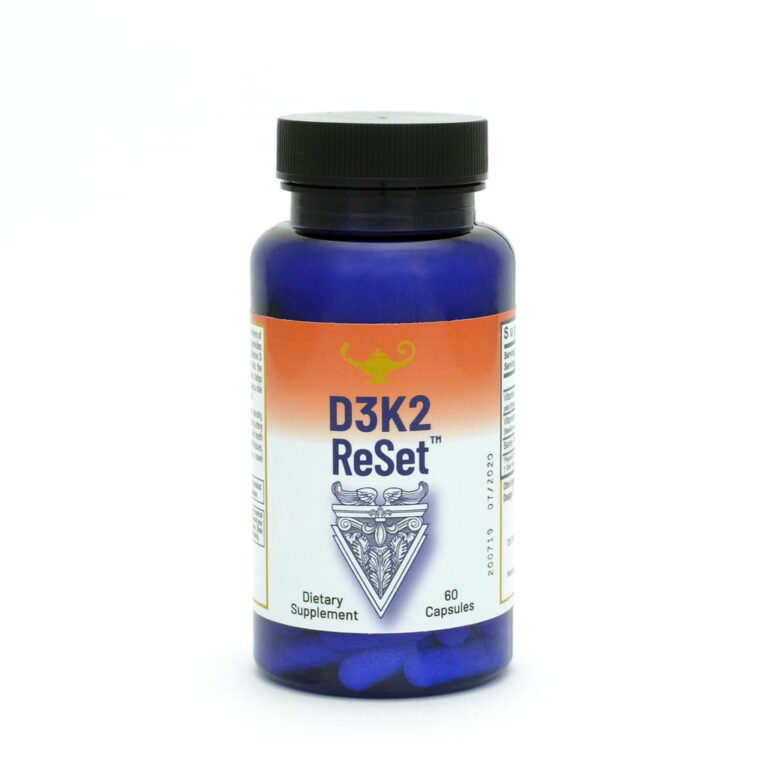
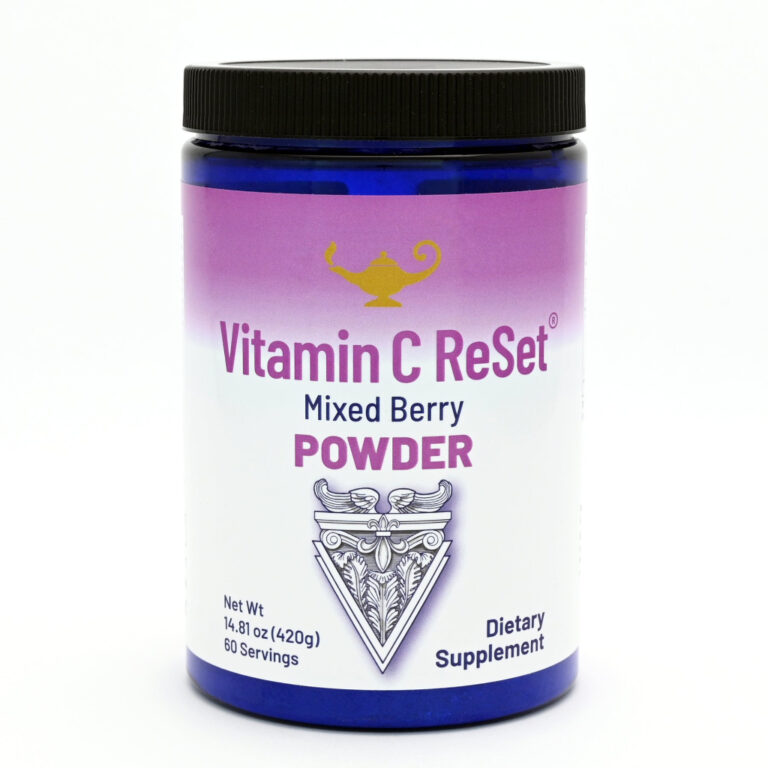
This collection of nutrients is focused on Brain Health and the Structure + Function aspects of nutrients in relation to optimal brain function.










Mood & Mental Health
Vitamin and mineral deficiencies can significantly affect mood and mental well-being, as many essential nutrients play key roles in brain function and neurotransmitter production. This deep connection between nutrition and mental health is widely acknowledged by healthcare professionals and wellness advocates alike. A nutrient-rich diet doesn’t just support physical health – it also lays the foundation for emotional balance and cognitive resilience.
Emotional Regulation
B-vitamin deficiencies are often associated with mood disturbances and depressive symptoms, as these vitamins are crucial for the production of brain chemicals that influence mood and cognitive function. Several minerals also contribute to energy metabolism, and inadequate levels can lead to fatigue, low energy, and emotional instability—all of which can impact overall mood and mental well-being.
Balancing Highs & Lows
Magnesium, often referred to as the relaxation mineral, plays a vital role in brain function, with deficiency linked to heightened anxiety and stress levels. Similarly, low vitamin D levels have been associated with mood disorders, as this nutrient is key to supporting emotional balance and helping to prevent negative, low-energy thought patterns.
Healthy Functioning
B-vitamins are essential for brain health, playing a key role in lowering homocysteine levels – an elevated risk factor for neurodegenerative diseases. Vitamin D, often deficient in older adults, is equally important for brain development and cognitive function. Low levels of vitamin D have been linked to cognitive decline, an increased risk of dementia, and impaired brain performance.
Slowing Decline
Magnesium plays a critical role in various aspects of brain function, and its deficiency has been linked to several neurological disorders. Likewise, deficiencies in key vitamins and specialty nutrients – such as B-vitamins and omega-3 fatty acids – can impair cognitive performance and may accelerate brain aging. By maintaining nutrient sufficiency early on, the body is better equipped to function optimally, helping to preserve cognitive health and reduce the effort required to sustain well-being as we age.
Aging + Brain Health
Nutrient deficiencies can significantly impact our brain function, including some aspects that become increasingly critical as we age, or in the context of brain diseases. And the relationship between chronic nutrient deficiency and an accelerated onset of age-related decline in brain function underscores the importance of maintaining adequate vitamin and mineral levels, particularly in older adults.
Tension + Inflammation
Headaches + Deficiency
The structures and functions behind certain types of headaches have been linked to deficiencies in multiple key nutrients, including magnesium. Known for its role in nerve transmission and muscle relaxation, magnesium levels are often found to be low in individuals suffering from migraines. A magnesium deficiency has also been associated with increased neuronal excitability and cerebral vasospasm, both functions associated with headaches and Brain Health disturbances.
Brain Inflammation
The relationship of nutrient deficiency and our cellular health includes impaired mitochondrial function and anemia, both of which are conditions linked to increased headache occurrence. And vitamin D, which plays a role in anti-inflammatory processes and nerve health, has also been associated with headache frequency and intensity.