

Home » ReMineralize Yourself
ReMineralize Yourself!

ReMag®
The Magnesium Miracle®
Adds Spark to Your Life
Pico-Ionic Magnesium Formulated by Dr. Carolyn Dean
(Author of The Magnesium Miracle)
Activates Up to 300 Body Enzyme Systems
Highly Absorbed at the Cellular Level
Does not have a Strong Laxative Effect like other forms of Magnesium
ReMag® is truly a The Magnesium Miracle®, as it is an essential cofactor required by 300 enzymatic systems that support thousands of biochemical reactions in the body. It regulates temperature, produces and transfers energy, transmits nerve signals, and relaxes muscles. Magnesium is crucial for the metabolism of glucose, fats, and proteins, positively influencing every cell in the body in a life-supporting way. It also plays a key role in bone health by regulating calcium absorption and metabolizing the active form of vitamin D from its inactive stored form.
Developed by Dr. Dean, ReMag® is carefully crafted from a pure source of magnesium chloride. It is designed to deliver stabilized magnesium ions that are similar in size to those found in plants. ReMag® is a pico-ionic form of magnesium, smaller in diameter than the body’s mineral ion channels. Its direct and complete absorption into cells allows it to bypass the intestine entirely, never reaching the small intestine where it could have a laxative effect. As a result, ReMag® does not cause any laxative response.

Solid Foundations for Your New Self
Good or poor health originates at the level of the millions of cells that make up the human body. Magnesium, vitamins, amino acids, and minerals are essential for thousands of biochemical reactions occurring in every cell, and a chronic deficiency of these nutrients is the most common cause of cellular dysfunction.
Replenishing these essential nutrients at the cellular level supports energy production and promotes optimal health. However, without adequate supplementation (ReMag®, ReMyte®), normal cell function will eventually deteriorate, leading to poor health.
The body doesn’t heal by forcing damaged cells to work properly – it heals by creating new, fully functional cells. The process of renewal and regeneration is based on the fact that the body is constantly rebuilding itself. Every hour, your body generates 80,000,000 new cells! As each new cell is formed, the body looks for the right building materials to construct it. If it cannot find high-quality, healthy materials, it will use whatever is available.
To build new cells, the body needs both raw materials (nutrients) and sufficient cellular energy to utilize them. If either is lacking, no medication or surgery can compensate. The body has the ability to heal from many conditions when it is nourished with the right nutrients and has the proper cellular energy.
This is why we always emphasize the importance of supporting the body at the cellular level – ensuring that all the essential nutrients needed to build perfect, life-sustaining cells are constantly available.
We’re sorry, but food is no longer medicine!
Our agricultural production grows on mineral-depleted soil, and this nutritional void must be filled with highly absorbable dietary supplements – specifically, the pico-ionic magnesium ReMag® and the pico-ionic multimineral ReMyte®.
It seems we’re always going against the mainstream. The more we highlight the emptiness of modern food, the more we hear advisors repeating the claim, “food is medicine.” We’ve spoken with many clients and customers who eat raw foods, green smoothies, anti-cancer vegan diets, and paleo plans – yet they still suffer from clear symptoms of magnesium deficiency: migraines, leg cramps, and heart palpitations. They’ve been told their specific diet will take care of everything.
Maybe that was true in the past. We know that 100 years ago, you could get 500 mg of magnesium daily from a good diet. That was before the soil became so depleted. But those days are gone, and most practitioners fail to recognize this fact. Today, you’re lucky to get 200 mg of magnesium from food – hence the rise in disease. Telling people they can get all their magnesium from leafy greens and raw food simply isn’t true.
We’re not suggesting you abandon a good diet. In fact, the most important thing about healthy eating today is avoiding unhealthy food. And if you can, pay more attention to where your food comes from. Rather than taking dozens of supplements, I recommend ReAline® (gentle B-vitamin detox), ReMag® (magnesium), and ReMyte® (multimineral).
What Makes ReMag® So Unique?
We already know that with ReMag®, we’ve created the most advanced magnesium formula on the market – one that meets every standard for a high-quality supplement.
Other manufacturers simply haven’t taken the time or effort to develop a magnesium that is highly absorbable, non-laxative, and pure enough to meet the demanding standards gained through decades of research and client experience. So, we moved forward and created what many now call the gold standard of magnesium. And if you’ve been using ReMag® long enough, you probably agree.
The secret of ReMag® lies in its stable, picometer-sized ions. These ultra-tiny magnesium particles allow ReMag® to be absorbed more efficiently than any other form of magnesium. And if you’re the kind of person who enjoys knowing the science behind your supplement, here are a few words from our brilliant manufacturer explaining what sets ReMag® apart from other magnesium formulas.
The presence of magnesium is detected using an ICP-OES spectrometer. This confirms that magnesium is indeed present in the product and also quantifies it, so we know exactly how much magnesium is contained.
Aveka Labs used the Malvern PCS Dynamic Light Scattering Instrument in an attempt to detect particles in ReMag®. PCS analyzes samples within a particle size range of 1 nm to 1000 nm (0.001–1 microns). No particles were detected within this range, meaning ReMag® contains particles smaller than 0.001 microns.
ReMag® is a monoatomic ionic solution. There is no direct method for measuring ionic size (or ionic radius). Instead, it is determined indirectly by measuring bond lengths. Ionic radii are difficult to measure with any degree of certainty and vary depending on the ion’s environment and several other factors. The distance between two ions in an ionic crystal structure can be determined using X-ray crystallography, which reveals the unit cell dimensions of a crystal. The ionic radius is not a fixed property of a given ion—it changes with coordination number, spin state, and many other parameters.
As such, accurately determining the true particle size of ReMag® is extremely challenging. However, we are confident that the particles are smaller than 0.001 microns. Using X-ray crystallography, we calculate or estimate that ReMag® particles are approximately 70–86 picometers in size.
It may sound like a lot of scientific terminology, but it highlights the exceptional quality of ReMag®.

Magnesium Deficiency: A Silent Health Crisis
Scurvy is caused by a deficiency of vitamin C and is treated by eating fruit or taking a vitamin C supplement. We all know how important vitamin C is, yet it acts as a cofactor in only about eight enzymes in the body. In comparison, magnesium is 100 times more powerful, as it is responsible for the activity of 700–800 enzymatic processes! And yet, doctors and the public either ignore it or treat it like a laxative. Magnesium deficiency is a public health crisis of epic proportions.
Who Is at Risk of Magnesium Deficiency?
The most frequently asked questions about magnesium are: “How do I know if I need more magnesium?” and “Should I take a magnesium supplement?” I've come to the conclusion that everyone can benefit from magnesium supplementation. You can identify a deficiency either by recognizing symptoms or through a specialized blood test.
Dr. Carolyn Dean MD ND
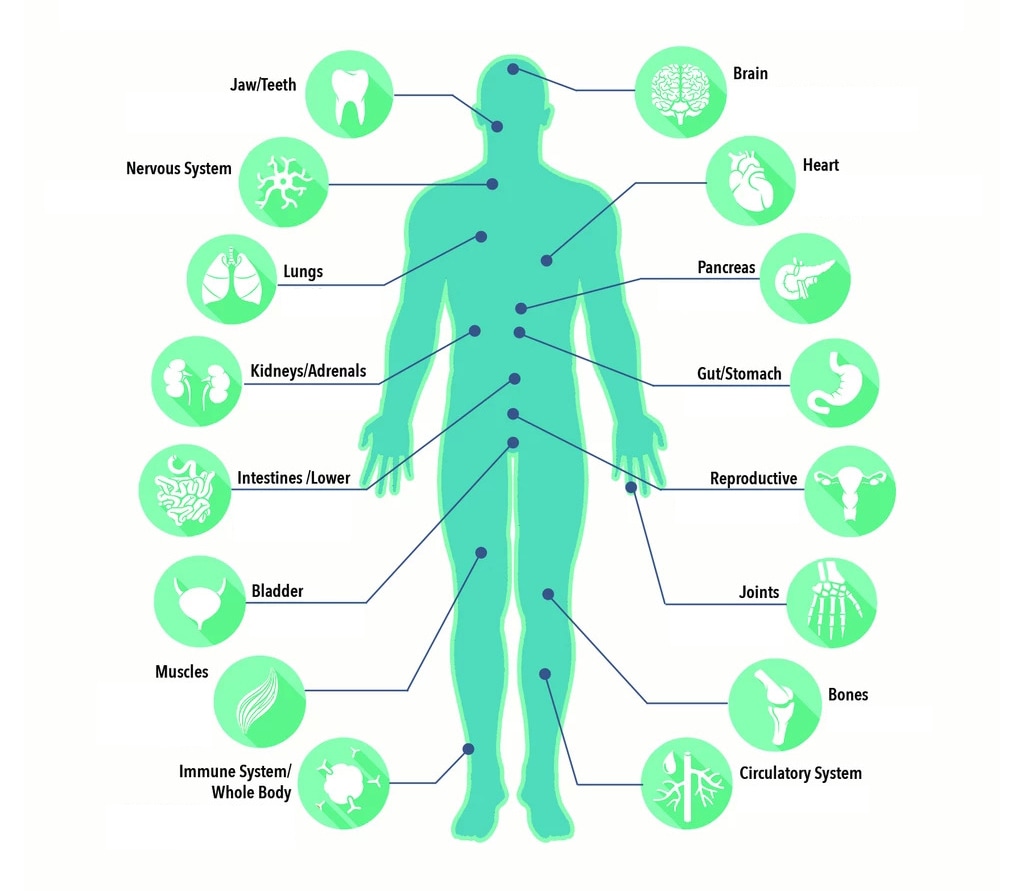
Problems Caused by Magnesium Deficiency
Adrenal fatigue follows chronic stress, anxiety, and panic attacks - and in recent years, it seems to be occurring at epidemic levels. Adrenaline, noradrenaline, and cortisol (elevated during prolonged stress) deplete magnesium levels. Stress also causes excessive magnesium loss through urine, leading to further deficiency. “Stress” may be an overused word, but we face physical, emotional, and mental stress daily - and every bit of it drains magnesium from the body.
The pain of angina pectoris is caused by severe spasms in the heart muscle, triggered by magnesium deficiency. The heart’s ventricles contain the highest levels of magnesium in the entire body, which is why magnesium is so vital for proper heart function.
Magnesium may help dissolve calcium deposits that accumulate in the joints. It can also relieve arthritis pain and inflammation, serving as a safe alternative to pain medications.
Magnesium is essential for helping dissolve calcium and keeping it in solution within the bloodstream. Together with vitamin K2, magnesium supports the proper placement of calcium into the bones - where it belongs.
Up to 80% of bruxism cases occur during sleep, and your dentist may be the first to notice the gradual wearing down of your teeth. Bruxism is linked to jaw muscle clenching throughout the day and is commonly associated with stress or anxiety. Any form of muscle tension can be a result of magnesium deficiency.
It’s remarkable how magnesium can help people regain their energy and get back to life. We still don’t fully understand what causes CFS, but in my discussion on the calcium-magnesium interaction, I wonder whether excess calcium combined with magnesium deficiency could be an underlying cause of mitochondrial dysfunction - something many natural health practitioners may recognize as chronic fatigue syndrome or related chronic conditions.
Serotonin, the mood-boosting neurotransmitter, depends on magnesium for both its production and function - whether it’s made in the brain or the gut. Dopamine, the neurotransmitter that helps regulate feelings of reward and pleasure, also relies on magnesium at several steps in its biochemical pathway. A magnesium-deficient brain is more vulnerable to allergens and foreign substances, which in some cases can trigger symptoms resembling mental illness.
Magnesium is essential for the production and release of insulin, supports carbohydrate metabolism, and enables insulin to transport glucose into cells. Without it, both glucose and insulin accumulate in the bloodstream, leading to various types of tissue damage. Tyrosine kinase, the enzyme that allows glucose to enter the cell (alongside insulin), is magnesium-dependent. Additionally, seven out of the ten enzymes required to metabolize glucose through glycolysis also rely on magnesium. All of this means that magnesium plays a key role in overcoming insulin resistance.
The stomach’s proton pump, which acidifies its contents for proper digestion, depends on magnesium.
Muscle tension and spasms in the neck and head can be relieved with magnesium therapy. Magnesium can be applied either topically or taken orally.
When magnesium is deficient and calcium levels are too high, the smooth muscles lining the blood vessels can contract into spasms, leading to high blood pressure. If cholesterol is also elevated - which may itself be linked to magnesium deficiency - it can bind with calcium, contributing to atherosclerosis in the arteries and worsening hypertension.
Magnesium helps regulate insulin production, ensuring that not too much is released at once - preventing sudden drops in blood sugar that can lead to symptoms of hypoglycemia.
Most pharmaceutical companies now point to inflammation - not cholesterol - as the primary cause of heart disease. They may not know what triggers inflammation, but that doesn’t stop them from producing drugs to suppress it. What drug companies fail to recognize is that calcium is highly pro-inflammatory, while magnesium is strongly anti-inflammatory. The entire inflammatory cascade - including substance P, interleukins, tumor necrosis factor, chemokines, and cytokines - intensifies when magnesium is deficient. The bottom line is this: inflammation is driven by magnesium deficiency and a relative excess of calcium.
Magnesium deficiency contributes to atherosclerotic kidney failure due to calcium buildup in the renal arteries. It also leads to abnormal lipid levels and worsens blood sugar control in post-transplant patients. It is crucial for individuals with kidney disorders to take ReMag, a stabilized ionic form of magnesium that is absorbed directly into the cells. This prevents magnesium from accumulating in the bloodstream, which could otherwise cause electrolyte imbalances and heart rhythm disturbances.
Magnesium deficiency combined with a relative excess of calcium can lead to persistent muscle contractions in any muscle group throughout the body.
Magnesium blocks inflammation caused by improper deposition of calcium and other heavy metals in brain cells. It also protects against the onset of inflammation by shielding cellular ion channels and preventing heavy metals from entering.
When the adrenal glands are no longer protected by adequate magnesium levels, the stress hormones - adrenaline and noradrenaline - are released into the bloodstream much more easily. Once circulating, they trigger rapid heartbeat, high blood pressure, and heart palpitations. The less magnesium you have, the more exaggerated the adrenaline response becomes. Magnesium calms the nervous system, relaxes muscle tension, and lowers heart rate, helping to reduce anxiety and panic attacks.
Histamine production and bronchial spasms (in the smooth muscles of the airways) increase as a result of magnesium deficiency.
Magnesium doesn’t act as a blood thinner. Instead, it prevents the buildup of calcium that triggers clot formation. It naturally balances the blood’s clotting factors.
A topic so vast that you’ll find more about it in my books.
Magnesium deficiency can cause spasms in the bladder, often leading to frequent misdiagnosis of a bladder infection. It can also allow calcium to accumulate in the lining of the bladder and urethra, causing irritation that mimics cystitis.
Magnesium is essential for removing toxic substances and heavy metals such as mercury, aluminum, and lead from cells. It acts as a cofactor in both glutathione production and the function of the liver’s P450 detoxification pathways.
Back in the mid-1970s when I was in medical school, normal cholesterol levels were considered to be around 245 mg/dL. In the first edition of The Magnesium Miracle, I noted that conventional medicine considered cholesterol values in the range of 180-220 mg/dL to be “normal.” Today, doctors suggest that cholesterol levels should be below 200 mg/dL (5.2 mmol/L).
What many physicians don’t realize is that magnesium, when bound to ATP (Mg²⁺-ATP), acts as a regulatory factor for the rate-limiting enzyme in the cholesterol biosynthesis pathway - the same enzyme targeted by statin drugs. Magnesium naturally slows down the activity of HMG-CoA reductase when cholesterol levels are sufficient.
Patients with magnesium deficiency often experience fatigue because hundreds of enzymatic systems function poorly without it. The most critical factor in energy production is ATP, which must be bound to a magnesium ion to become biologically active. Mg²⁺-ATP is produced in the Krebs cycle, which requires magnesium in six of its eight steps. The Krebs cycle begins with pyruvate from glycolysis and takes place exclusively within the mitochondria.
Spasm of the lower esophageal sphincter at the stomach junction can leave the valve open, leading to acid reflux, gastroesophageal reflux (GERD), or heartburn. Magnesium helps relax esophageal spasms.
The heart - specifically the left ventricle - contains the highest concentration of magnesium in the entire body. Magnesium deficiency is common in people with heart disease, and supplementing with magnesium can help reduce this risk. IV magnesium can prevent damage to heart muscle and reduce the risk of arrhythmias when administered early during a heart attack. Unfortunately, most medications used to treat heart disease actually deplete magnesium from the body.
Magnesium deficiency slows down intestinal peristalsis, leading to constipation, which can contribute to toxicity and symptoms of colitis, microscopic colitis, IBS, diverticulitis, and Crohn’s disease.
Magnesium relaxes muscle tension that can interfere with restful sleep. It’s also essential for the production of melatonin, the hormone that regulates sleep. Magnesium is such an effective sleep aid that if someone takes it and still isn’t sleeping well, I say, “Take more magnesium.”
In my books, I provide evidence of magnesium’s ability to prevent and treat kidney stones - especially when combined with its partner, vitamin B6.
Magnesium Helps
Prevent the Following
- Premenstrual Syndrome (PMS)
- Dysmenorrhea (Painful Menstrual Cramps)
- Female Infertility (by Reducing Fallopian Tube Spasms)
- Premature Contractions (Which May Be Triggered by Magnesium-Deficiency Muscle Cramps)
- Preeclampsia and Eclampsia During Pregnancy (Fluid Retention, High Blood Pressure, and Seizures)
- Cerebral Palsy
- Sudden Infant Death Syndrome (SIDS)
- Male Infertility (Magnesium and Zinc Are Present in Significant Amounts in Healthy Sperm)
- Tongue Biting. In someone with magnesium deficiency, the tongue muscles and the muscles lining the inside of the mouth can go into spasm while eating, causing the teeth to suddenly and involuntarily clamp down on the tongue or inner cheek
- Tooth Decay. Magnesium deficiency disrupts the healthy balance of phosphorus and calcium in saliva, which leads to tooth damage
- Osteoporosis. Low magnesium levels, especially in the presence of elevated calcium—with or without vitamin D—trigger a cascade of events that lead to bone loss
- Parkinson’s Disease. A deficiency in dopamine contributes to Parkinson’s disease, and magnesium is an essential cofactor in dopamine production. Magnesium also blocks neural inflammation caused by calcium deposits in the brain
- Raynaud’s Syndrome. Magnesium helps relax spastic blood vessels that cause pain and numbness in the fingers
- Sports Injuries. Pain, inflammation, muscle cramps, tension, and scarring can all be treated with magnesium
- Athletic Performance. Magnesium reduces lactic acid buildup and replenishes magnesium lost through sweat, helping to prevent post-exercise soreness
- Temporomandibular Joint (TMJ) Syndrome. This joint connects the jaw to the cheekbone and can become irritated or inflamed due to arthritis, excessive gum chewing, dental or jaw trauma, misaligned teeth or jaw, poor posture, stress, and teeth grinding. Most of these factors are worsened by magnesium deficiency
The Following Musculoskeletal Conditions Respond Well to Magnesium Therapy
- Muscle Cramps or Spasms in Any Muscle of the Body
- Fibrosis
- Fibromyalgia
- Headache
- GI Spasms (Chronic Pain from Undiagnosed Spasms Can Lead to Unnecessary Exploratory Surgery)
- Nerve Issues: Neuralgia, Neuritis, Neuropathy. Magnesium deficiency combined with a relative excess of calcium leads to persistent nerve excitability in any nerve cells throughout the body
- Chronic Neck and Back Pain
- Jaw Tension
Magnesium Alleviates the Following Nervous System Disorders That May Arise
- Burning Pain, Tingling
- Muscle Weakness
- Numbness
- Paralysis
- Cramps and Seizures
- Skin Sensitivity
- Tightness
- Vertigo
- Confusion
- Obstetric and Gynecological Issues
If your doctor isn’t aware that the sixty-five conditions listed above may be caused by magnesium deficiency – and could be resolved with proper magnesium supplementation – you’ll likely be prescribed medication. Unfortunately, drugs such as painkillers, diuretics, antibiotics, and cortisone further deplete magnesium and other minerals, allowing symptoms to spiral out of control.