
Categories
Latest Post

In the past, our water naturally contained minerals like calcium, magnesium, and potassium, thanks to...
No posts found
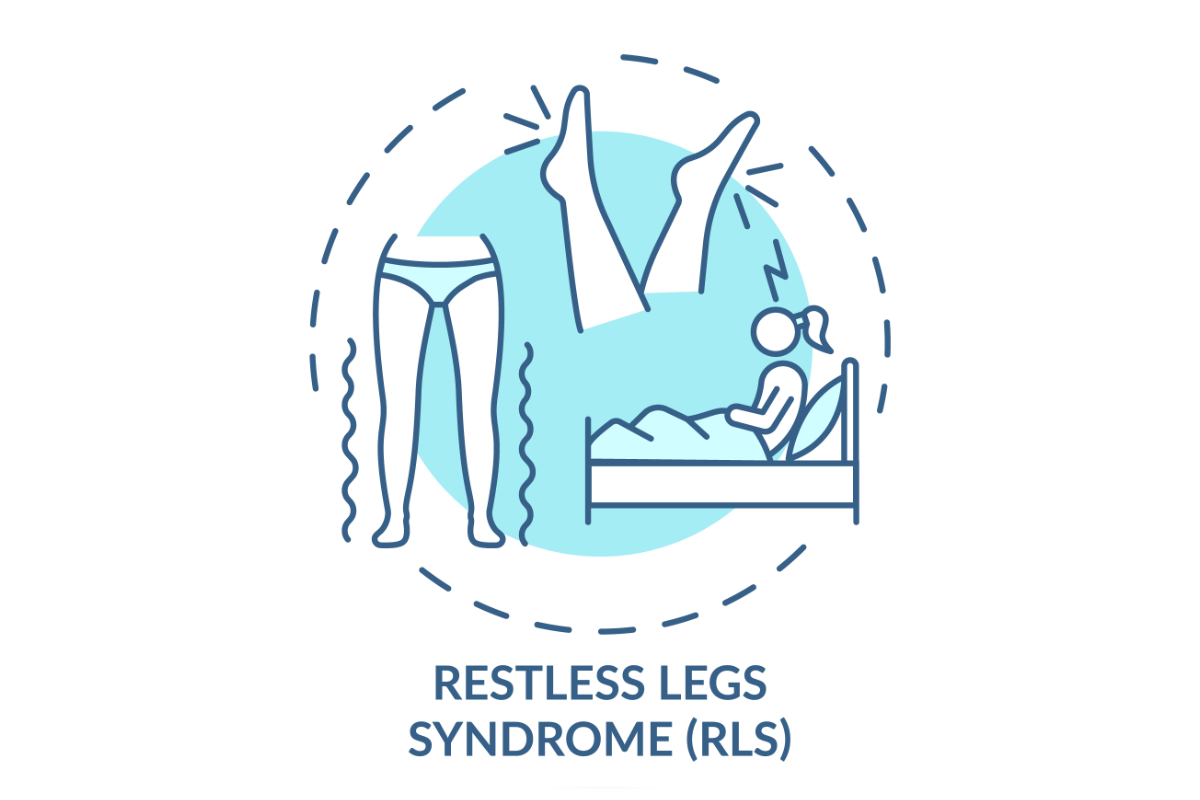
Dr. Dean explains Restless Legs Syndrome – what it is, how it’s traditionally treated, and how it relates to magnesium deficiency.
In a recent survey of 12,567 participants, 41.8% reported experiencing Restless Legs Syndrome (RLS). RLS is a sensorimotor neurological movement disorder that affects over 12 million Americans. Many physicians are unfamiliar with RLS, and its symptoms are often mistaken for other health issues such as insomnia or heart disease.
Most commonly, patients are told that the cause of RLS is unknown and that there is no definitive cure. Some of the latest studies only heighten the anxiety for those diagnosed, suggesting not only a lack of treatment options but also a potential link between RLS and an increased risk of cardiovascular disease.
RLS symptoms typically occur at rest – while lying down or sitting – and include tingling, pulling, twitching, aching, throbbing, and stabbing sensations. These discomforts lead to an uncontrollable urge to move the legs in search of relief.
There is now a long list of medications prescribed for RLS. Unfortunately, it’s disheartening to see drugs with dozens of potential side effects being used for a condition that may be rooted in magnesium deficiency – or a general lack of minerals.
Even more ironic is the fact that many of these side effects mirror the very symptoms of magnesium deficiency:
Medications like Mirapex, Neupro, and Requip mimic the neurotransmitter dopamine in the brain. Side effects include euphoria, pericardial effusion, damage to the heart and lungs, hallucinations, psychosis, weight loss, anorexia, nausea, vomiting, insomnia, fatigue, dizziness, drowsiness, narcolepsy, lightheadedness, Raynaud’s disease, twitching, abnormal movements, and compulsive addictive behaviors.
Sinemet, commonly used to treat Parkinson’s disease, can raise dopamine levels in the brain and temporarily ease leg sensations in RLS. However, for some individuals, daily use may actually worsen symptoms over time. Side effects include nausea, vomiting, hallucinations, and involuntary movements (dyskinesia).
Drugs such as Restoril, Xanax, and Klonopin are sedatives. They don’t eliminate symptoms but may help suppress them enough to allow sleep. These medications are habit-forming and notoriously difficult to discontinue. Common side effects include sedation, dizziness, weakness, emotional instability, depression, disorientation, headaches, and sleep disturbances.
An example is Vicodin. Opioids are highly addictive – as the body builds tolerance, increasingly higher doses are needed to achieve relief. Side effects include shallow breathing, dizziness, fainting, confusion, fear, unusual thoughts and behaviors, seizures, difficulty urinating, anorexia, nausea, vomiting, drowsiness, itching, dry mouth, lightheadedness, and constipation.
Medications like Neurontin and Horizant may help relieve RLS symptoms as well as chronic or nerve-related pain. Side effects include dizziness, drowsiness, blurred vision, anxiety, depression, irritability, restlessness, mental or physical hyperactivity, and suicidal thoughts.
Catapres is one example. These drugs stimulate alpha-2 receptors in the brainstem, activating neurons that suppress parts of the nervous system responsible for involuntary muscle movements and sensations. Side effects can include rapid heartbeat or palpitations, tremors, shortness of breath, rapid weight gain, confusion, hallucinations, flu-like symptoms, urinary problems, drowsiness, dizziness, fatigue, irritability, cold symptoms, mood swings, insomnia, nightmares, headaches, fever, constipation, diarrhea, stomach pain, dry mouth, and impotence.
When a chronic or hard-to-treat condition improves after taking ReMag, people are often amazed – especially if they’ve already tried other forms of magnesium. With each new testimonial, it becomes clear that many magnesium products fail to absorb well enough to deliver the therapeutic levels of magnesium that ReMag provides.
One such comment highlights both the relief from RLS and ReMag’s superior absorbability:
“Our RnA ReSet Drops and ReMag arrived. I’m stunned – after taking just 1 teaspoon of ReMag last night, my RLS was so much better.”
The next day, she followed up:
“I’m truly amazed – last night I had almost no RLS symptoms. Normally, I have it all night – every night. Even at 5 a.m. when I wake up, and sometimes during the day when I try to relax. I take several natural sleep supplements but almost never sleep more than two hours at a time. I apparently move and kick my legs even while asleep. When I wake up, I have to get up and move around to distract myself. The moment I sit down, the RLS kicks in again. Every doctor tells me there’s no cure, and I’ll need to take powerful medications – the kind that affect dopamine. I’ve tried everything, and nothing worked – not even other magnesium supplements. So it’s absolutely astonishing to have two nearly symptom-free nights.”
Some research suggests that individuals with RLS may have an iron deficiency. However, only about 15% of the clinical population suffering from RLS shows low iron levels (serum ferritin <50 μg/L). That said, ferritin levels between 20–50 μg/L are considered optimal and indicate the absence of iron overload.
Overuse of iron supplements can lead to iron toxicity, so while supplementing with ReMag for magnesium is highly beneficial, iron should only be added if a true deficiency is confirmed – and always with caution.
Aloha,
Dr. Carolyn Dean
Warning!
This website is for informational purposes only and is not intended as a substitute for professional medical advice.
Disclaimer!
We do not treat, diagnose, cure, or attempt to prevent any diseases, and no advice or customer testimonials shared in reviews should be interpreted as evidence of specific health outcomes from using our products. Results may vary. Nothing stated on this website is intended to replace medical advice, prevention, or treatment.