
Categories
Latest Post

In the past, our water naturally contained minerals like calcium, magnesium, and potassium, thanks to...
No posts found
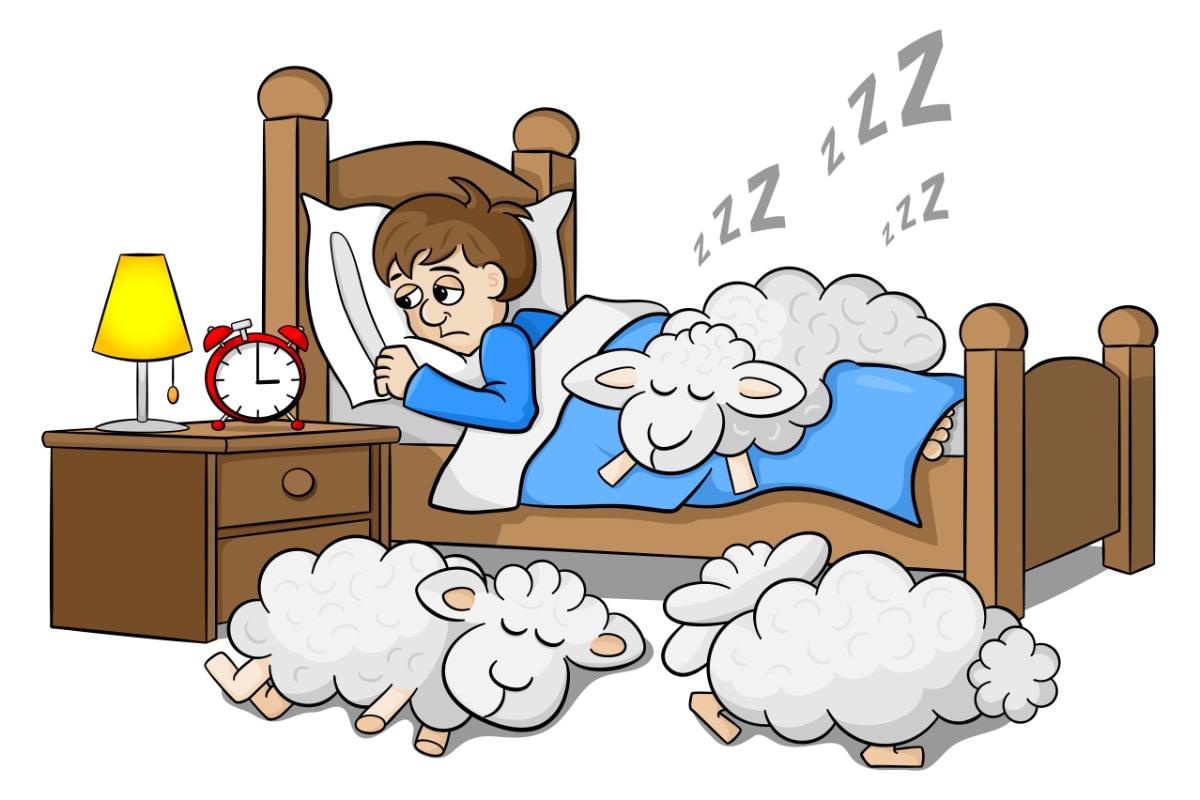
We take sleep for granted – until it becomes a problem. Difficulty falling asleep or frequent nighttime awakenings are clear signs of insomnia.
Since different people require different amounts of sleep, insomnia is defined by the quality of your sleep and how you feel after sleeping – not by the number of hours you spend in bed or how quickly you fall asleep. Even if you spend eight hours in bed, persistent daytime fatigue and drowsiness may still signal insomnia.
There are countless causes of insomnia, and many of them stem from a lack of magnesium. In fact, most people deplete their available magnesium – whether from food or supplements – by the end of a stressful day. Then at night, when the body needs even more magnesium to carry out essential biological functions, it stays restless and awake, simply because it lacks the magnesium required for sleep.
Insomnia is often one of the first symptoms to improve with magnesium supplementation. Even those who already sleep well report deeper, more restorative sleep once they begin replenishing their magnesium levels. Among regular magnesium users, there’s a common saying: if magnesium isn’t helping you sleep, it likely means you need a higher dose.
There’s a long list of “magnesium thieves” intricately linked with the causes of insomnia – numerous medications, caffeine, alcohol, heart disease, heart palpitations, nighttime cortisol spikes, restless legs syndrome (RLS), pain, hormonal fluctuations, fear, stress, anxiety, acid reflux, constipation, depression, dementia, ADHD, arthritis, and poor recovery.
Many sleep studies confirm the effectiveness of magnesium supplementation. But since doctors are often overwhelmed by pharmaceutical reps, they may not spend time reading published research on how well magnesium works. As a result, patients are more likely to be prescribed medication than offered a highly absorbable magnesium supplement that could truly ease their insomnia.
And if a doctor does recommend magnesium, it’s often magnesium oxide – a form that may offer minimal benefit but usually acts as a strong laxative, leading patients to abandon it. Fortunately, ReMag magnesium solves that issue with exceptional absorption and no digestive side effects.
How Does Magnesium Help You Sleep? Tense, restless muscles can keep you from entering deep sleep. When your muscles are tight, your body remains on high alert, making you more irritable and sensitive to noise – or even to vivid dreams. Magnesium helps relax cramped, tense muscles, allowing your body to finally settle into deep, restorative rest.
GABA is the primary inhibitory neurotransmitter of the central nervous system, and activating GABA receptors helps deepen sleep. Magnesium enhances GABA’s calming effects.
Research on magnesium and sleep shows that magnesium supplementation can reverse age-related neuroendocrine changes and EEG sleep disturbances.
Supplementing with magnesium improves both symptoms of magnesium deficiency and inflammatory stress in older adults (age 51+) who suffer from poor sleep.
Magnesium also reduces heart rate responses triggered by sympathetic nervous system stimulation, physical exertion, and sleep disturbances.
Two studies have shown that chronic sleep deprivation decreases intracellular magnesium, raises heart rate, and increases plasma catecholamines.
Additional research found that dietary magnesium deficiency lowers plasma melatonin levels in rats.
Aloha
Dr. Carolyn Dean
Warning!
This website is for informational purposes only and is not intended as a substitute for professional medical advice.
Disclaimer!
We do not treat, diagnose, cure, or attempt to prevent any diseases, and no advice or customer testimonials shared in reviews should be interpreted as evidence of specific health outcomes from using our products. Results may vary. Nothing stated on this website is intended to replace medical advice, prevention, or treatment.