What Does Vitamin D Do for Stress?
Home » Products » Nutrients For Stress Relief » What Does Vitamin D Do for Stress?
Vitamin D is a fat-soluble vitamin essential for bone strength, immune support, and mood balance. It is unique because our skin can synthesize it when exposed to sunlight, and it is also available in certain dietary sources and supplements.
Stress Reduction
Vitamin D receptors are located in several regions of the brain that play a critical role in mood regulation and how the body responds to stress. By helping to regulate the production of cortisol – the primary stress hormone – vitamin D supports a healthier, more balanced stress response. Maintaining adequate vitamin D levels has been linked to a reduced intensity of the body’s stress reactions, helping to protect both mental and physical well-being from the negative effects of chronic stress.
Positive Thinking
Low vitamin D levels have been linked in some studies to feelings of sadness, low mood, and emotional imbalance. Vitamin D helps regulate the expression of genes involved in the production and breakdown of key neurotransmitters like serotonin, which play a central role in mood regulation. It also supports neuroprotection and promotes healthy neuronal growth – both essential for optimal brain function and emotional well-being. Maintaining sufficient vitamin D levels may help foster a more positive mindset and support overall mental health.
How Much Do I Need?
While the body can produce vitamin D through sunlight exposure, this may not be enough for those living in areas with limited sun or spending most of their time indoors. In such cases, dietary sources and vitamin D supplements can help maintain healthy levels and support overall well-being. Supplementation ensures that the body receives the amount it needs when sunlight and diet alone are not sufficient.
Finding Your Dosage
The ideal dosage of vitamin D for supporting stress relief, mood balance, and mental well-being can vary based on factors like age, sex, skin tone, sun exposure, and overall health. For most adults, a typical recommended daily intake ranges from 600 to 2,000 IU. However, individual needs may differ depending on lifestyle, geographic location, and personal health conditions, so consulting with a healthcare provider can help determine the most effective dosage for optimal results.

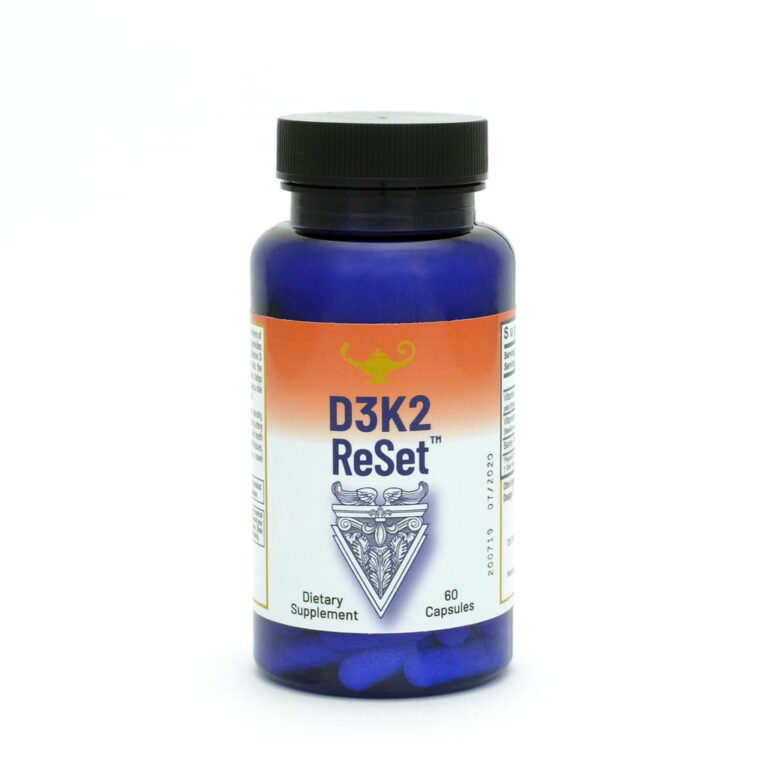
Vitamin D is a vital nutrient that may contribute to reducing stress, anxious thoughts, and always feeling down by regulating cortisol levels, supporting neurotransmitter function, and promoting overall brain health. Incorporating D3K2 ReSet into the diet can help contribute to maintaining optimal vitamin D levels and supporting mental well-being
- Vegan-friendly formula
- Cofactor Nutrients for Brain Health, Bone Health, and more
- Highly-absorbed formulation the body recognizes as food