













Since fasting limits food intake for extended periods, there might be a risk of deficiencies if these vitamins are not adequately consumed during eating windows. special attention should be given to consuming healthy fats during eating periods to facilitate the absorption of these vitamins. promoting eating during periods when the body is naturally more prepared to digest and metabolize food.
Magnesium helps regulate blood sugar levels and improves insulin sensitivity during fasting, making it easier to maintain steady energy and avoid sharp spikes or crashes.
Magnesium supports proper muscle function and helps reduce the risk of cramps and spasms, which can become more common when fasting.
With its calming effect on the nervous system, magnesium promotes better stress management and improves sleep quality – both essential for the success of any intermittent fasting routine.
B-vitamins assist in converting carbohydrates, proteins, and fats into usable energy, helping to stave off fatigue and maintain alertness during fasting periods, when the body primarily relies on stored energy reserves.
B-vitamins support the production of neurotransmitters like serotonin and dopamine, which can aid in mood regulation and mental well-being, crucial for the psychological aspect of intermittent fasting.
B-vitamins are essential for the maintenance of healthy skin, hair, and nails, and they support the body’s natural detoxification processes.
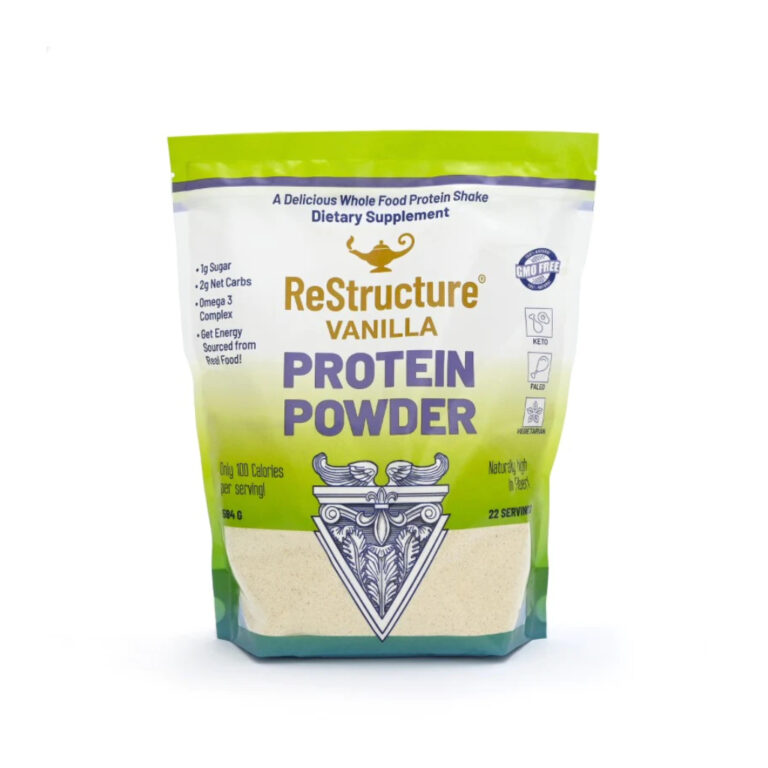
Adequate protein intake is essential for maintaining lean muscle mass, especially during fasting periods when the body is in a catabolic state. Protein consumption helps preserve muscle tissue and supports muscle recovery after workouts, ensuring that weight loss primarily targets fat rather than muscle.
Protein has a profound impact on satiety and appetite control, making it easier to adhere to the fasting schedule and avoid excessive calorie consumption during eating windows. Moreover, protein-rich foods can help stabilize blood sugar levels, minimizing cravings and energy fluctuations.
The thermic effect of protein, which requires more energy for digestion and absorption, can contribute to an increased metabolic rate, potentially aiding in weight management.
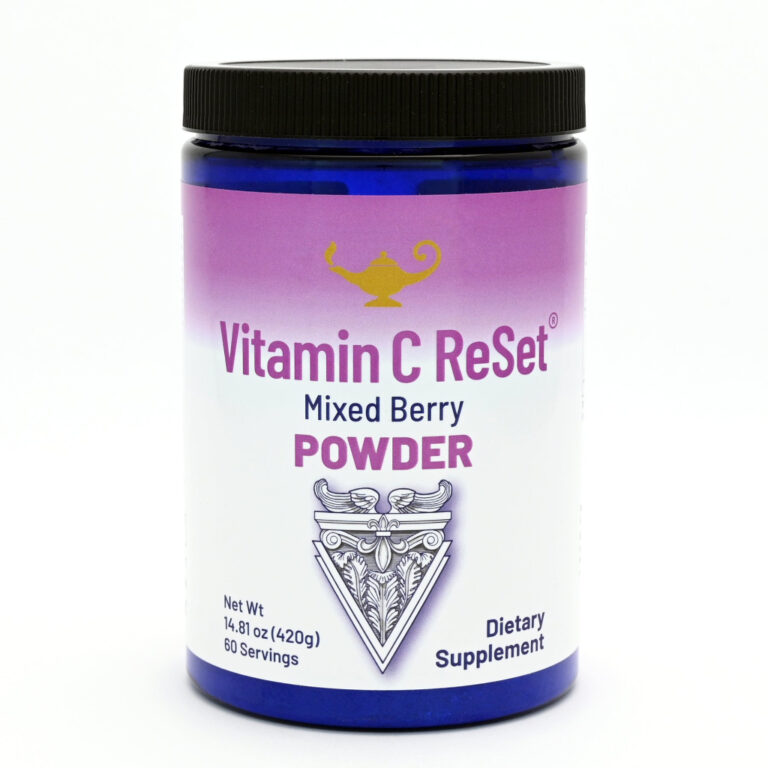
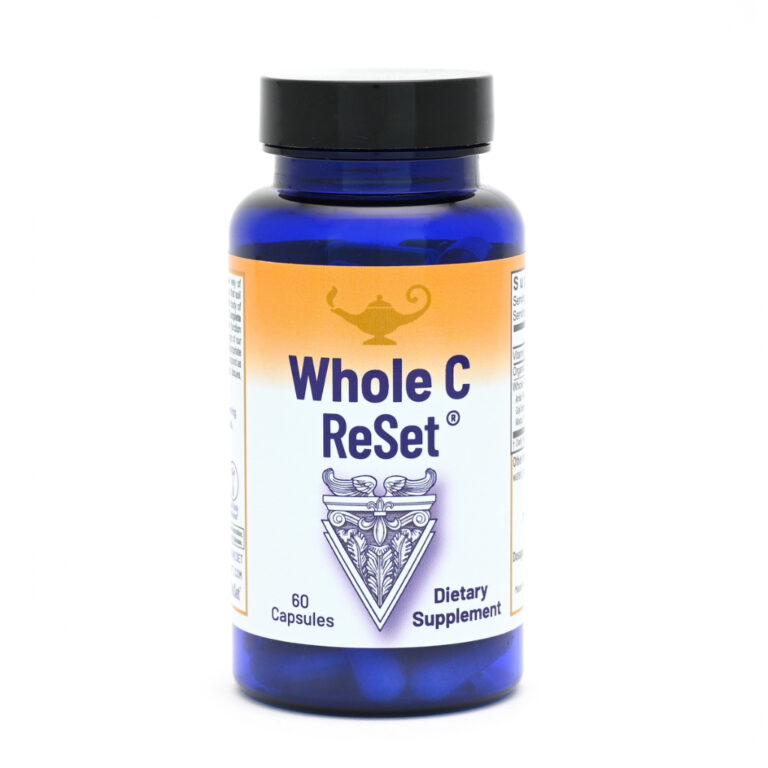
Maintaining a strong immune system during fasting is essential for overall health and resilience. Vitamin C supports immune function, helping the body defend against infections and recover more efficiently when feeling run down.
As a powerful antioxidant, vitamin C helps reduce oxidative stress and inflammation, which can increase during fasting as the body relies on stored energy reserves.
Vitamin C is vital for collagen synthesis, supporting the health of skin, joints, and connective tissues. Since fasting may limit nutrient intake, ensuring sufficient vitamin C can help preserve collagen levels and promote tissue strength and flexibility.
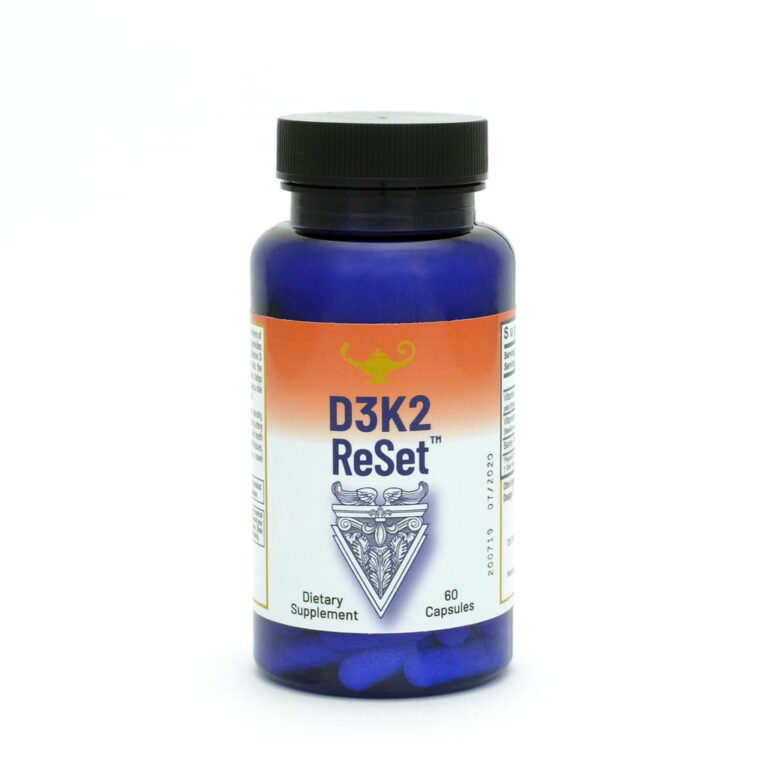
Vitamin D supports the absorption of calcium, essential for maintaining strong bones and healthy bone density – especially important during fasting periods when nutrient intake may be limited and bone health could be compromised.
Vitamin D promotes the production of antimicrobial proteins and helps regulate immune responses, strengthening the body’s natural defenses against infections and illnesses.
Vitamin D has been associated with mood regulation and mental well-being, which can be vital during fasting when individuals may experience occasional stress or mood fluctuations.
Omega-3 fatty acids help support cardiovascular function during fasting by reducing inflammation, lowering triglyceride levels, and promoting healthy blood pressure – even when dietary intake is restricted.
Omega-3s are known to enhance brain health and cognitive performance, helping to reduce brain fog and maintain mental sharpness and focus throughout fasting periods.
These essential fatty acids also contribute to joint health, helping to ease stiffness and discomfort that may occur during prolonged fasting, while supporting overall mobility and flexibility.
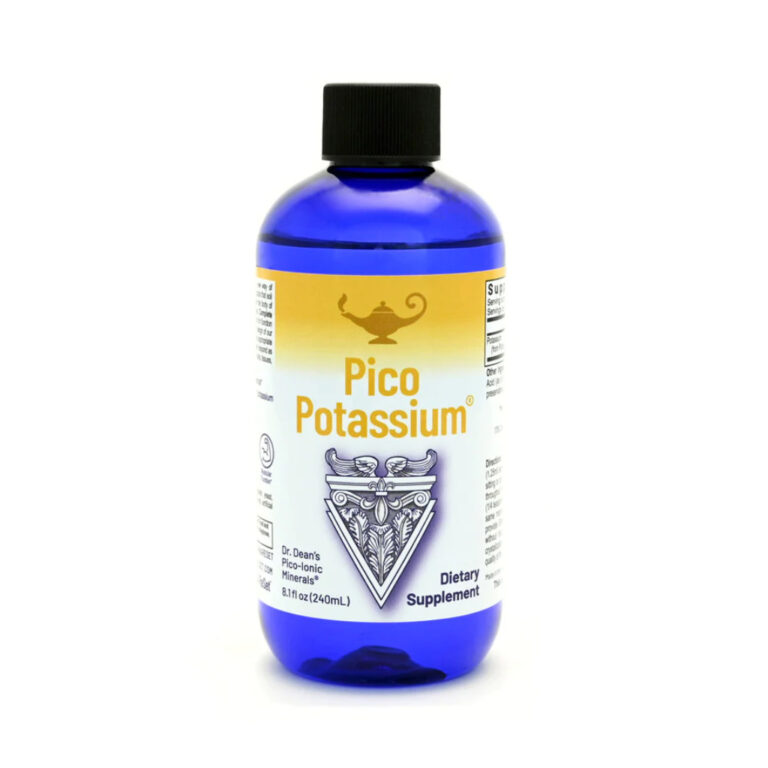
Potassium plays a key role in maintaining electrolyte balance and regulating blood pressure. During fasting, when fluid and electrolyte levels may shift, sufficient potassium intake helps reduce the risk of dehydration and supports overall hydration.
Essential for proper muscle and nerve function, potassium helps prevent muscle cramps and supports physical performance – particularly important during fasting when the body may be more prone to imbalances.
Potassium supports the electrical signals that control heart rhythm, helping to maintain a steady and healthy heartbeat. It also contributes to cardiovascular health by promoting normal blood pressure levels.